


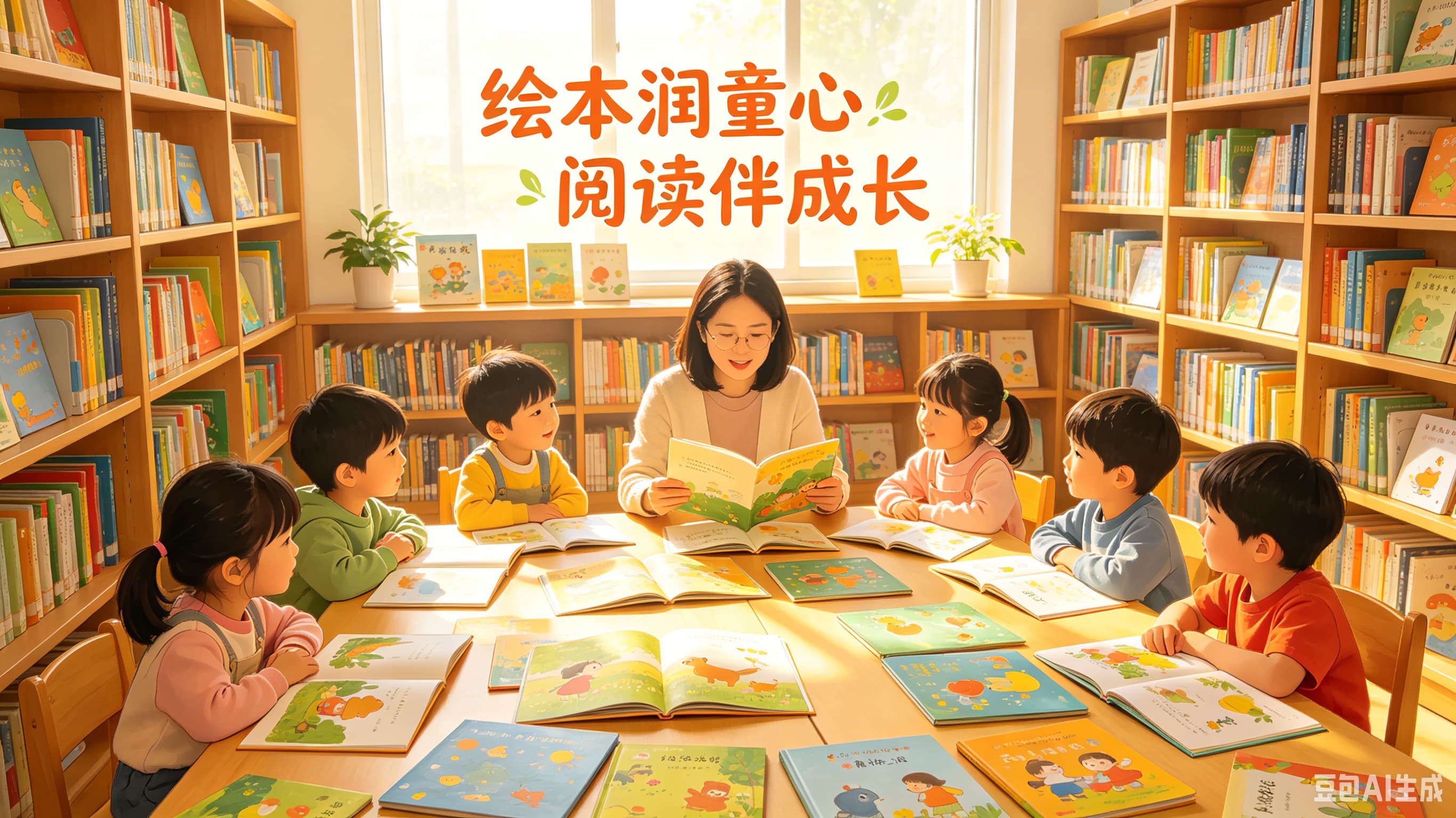
Picture book stories
Immersive Chinese classroom allows children to naturally acquire language and develop daily communication skills in a pure Chinese environment: listening, speaking, reading, writing, and recognition. Immersive Chinese classroom allows children to naturally acquire language and develop daily communication skills in a pure Chinese environment: listening, speaking, reading, writing, and recognition. Immersive Chinese classroom allows children to naturally acquire language and develop daily communication skills in a pure Chinese environment: listening, speaking, reading, writing, and recognition.
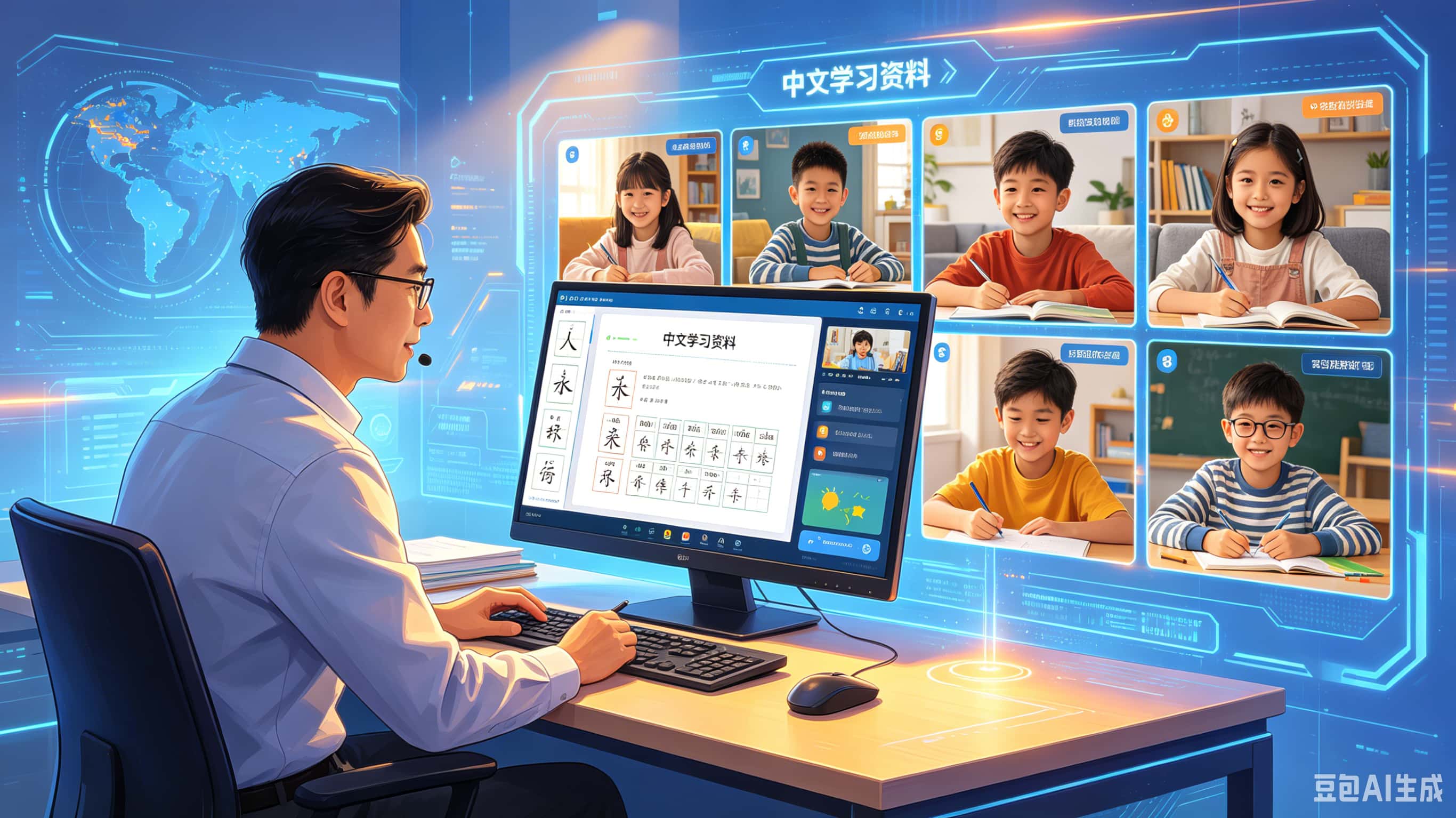
Immersive Chinese classroom allows children to naturally acquire language and develop daily communication skills in a pure Chinese environment: listening, speaking, reading, writing, and recognition. Immersive Chinese classroom allows children to naturally acquire language and develop daily communication skills in a pure Chinese environment: listening, speaking, reading, writing, and recognition. Immersive Chinese classroom allows children to naturally acquire language and develop daily communication skills in a pure Chinese environment: listening, speaking, reading, writing, and recognition.
Enlightenment Chinese
In order to break the problem of traditional Chinese language classrooms being dull and students speaking less, schools have comprehensively implemented immersive Chinese language classroom teaching reforms, relying on real-life scenarios, role-playing, and real-life practices to build a fully Chinese communication environment, allowing students to bid farewell to passive listening and actively speak, be willing to speak, and love speaking Chinese. The new classroom model has gained unanimous recognition from teachers, students, and parents.

The classroom is divided into four modules: literacy and reading, poetry recitation, story interpretation, and life dialogue. Lower grades rely on Chinese picture books and physical teaching aids to recognize words and phrases, and exercise expression through storytelling based on pictures; In the middle and upper grades, simulated scenes of markets, tea houses, and study rooms are set up, where students play the roles of vendors, customers, and scholars, and complete daily conversations such as asking for directions, shopping, and exchanging letters in Chinese throughout the entire process.
American Mandarin
This week, the Chinese language campuses in the Americas have continued to promote the full immersion Chinese teaching model, with multiple campuses in the United States and Canada uniformly adopting the Guofeng picture book supporting materials. Translation into the mother tongue is prohibited throughout the entire class, relying on pictures, objects, and situational performances to create a pure Chinese communication environment.
For younger age groups, we mainly use illustrated picture books, accompanied by Chinese character building blocks and folk handicrafts; for teenagers, we add poetry recitation and role-playing in a scene market, allowing overseas Chinese and foreign students to improve their listening, speaking, reading, and writing skills through real-life dialogues.
The official Chinese language organization in the Americas issued a joint reading initiative to all parents this week: it is recommended that parents accompany their children to read Chinese picture books for 15 minutes every day, create a small Chinese language environment at home, and use more short sentences from the picture books for daily conversations.
The official website synchronizes and updates free audio resources for picture books online, allowing parents to play them at any time. This addresses the issue of insufficient Chinese language environment for overseas families, and collaborates with schools to consolidate classroom learning outcomes.
IC series
The new version of the IC series has significantly increased the ratio of images to text, with each lesson paired with original illustrations. It integrates daily life scenes in the Americas, traditional Chinese festivals, and fun little stories into the text, bidding farewell to boring text memorization. Classroom activities such as situational dialogues, picture book extensions, word and character crafts, and role-playing are carried out based on the IC textbooks, fitting the immersive Chinese classroom teaching model and guiding children to actively speak Chinese.

The IC series is structured in a clear hierarchy, with scenarios closely reflecting local life in the Americas, making it easier for children to understand and absorb. Children with no foundation can start with basic vocabulary related to clothing, food, shelter, and transportation in IC1, and steadily improve. Upper-grade students can use IC5 and IC6 to accumulate long sentences and writing materials, achieving balanced improvement in the four skills of listening, speaking, reading, and writing. This effectively addresses the learning pain points of overseas children, who often "understand listening but struggle with speaking and writing".
Chinese AP
The course content is divided into four core modules: daily conversational oral response, situational written email writing, Chinese cultural theme discussion, and short reading comprehension. The teaching materials cover traditional folklore, modern Chinese society, Sino-American cultural comparison, and other AP high-frequency examination points, with supporting exclusive real exam question banks, standard model essays, and oral recording materials.
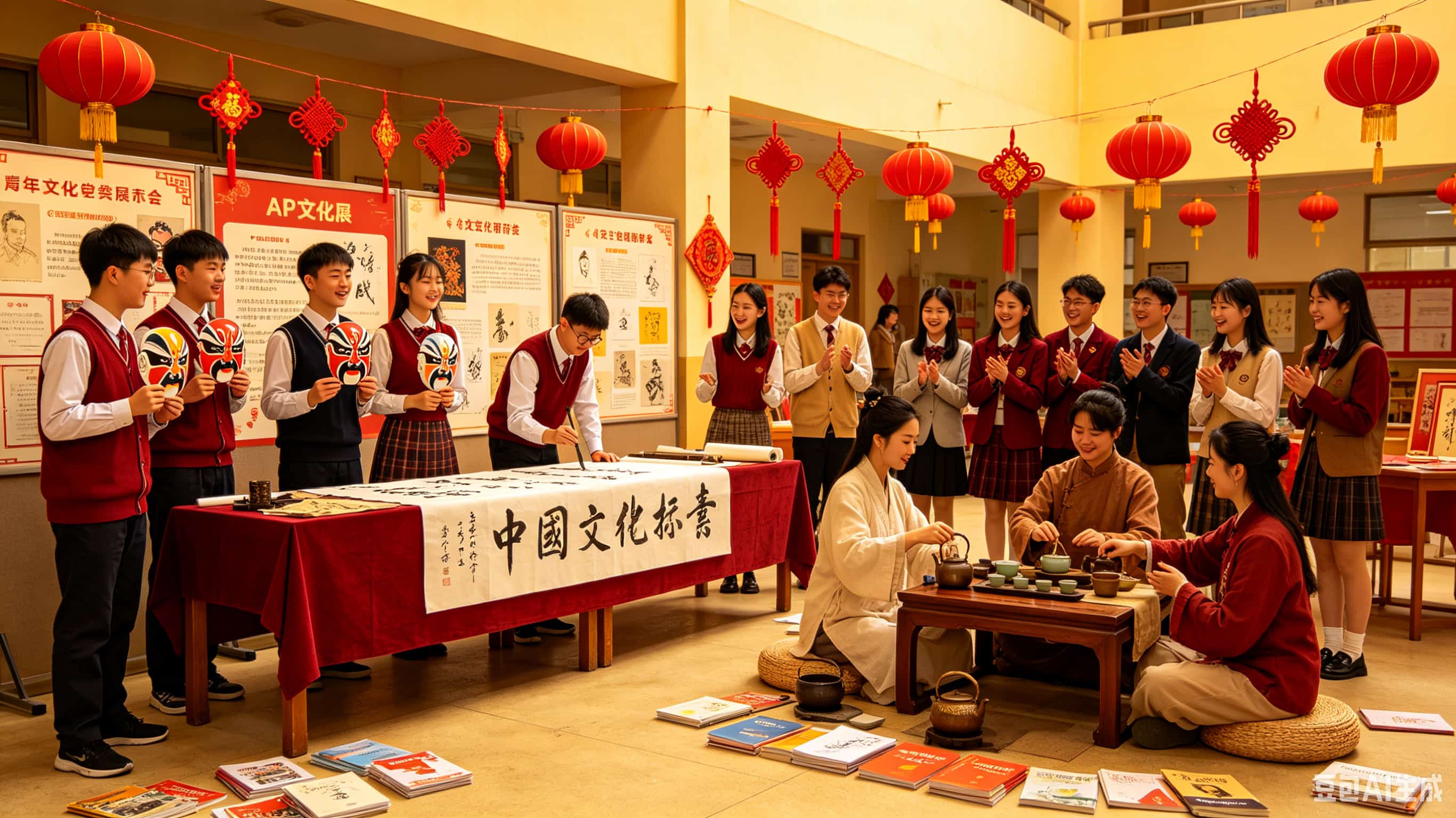
Many current students have reported that after systematic training, they no longer feel nervous when facing oral situational questions, can build a complete logical framework in writing, and have a clear approach to answering questions about the comparison between Chinese and Western cultures. Many parents have expressed that the professional AP Chinese course saves students time spent on self-exploration and the standardized teaching system aligns more closely with North American examination scoring standards.